
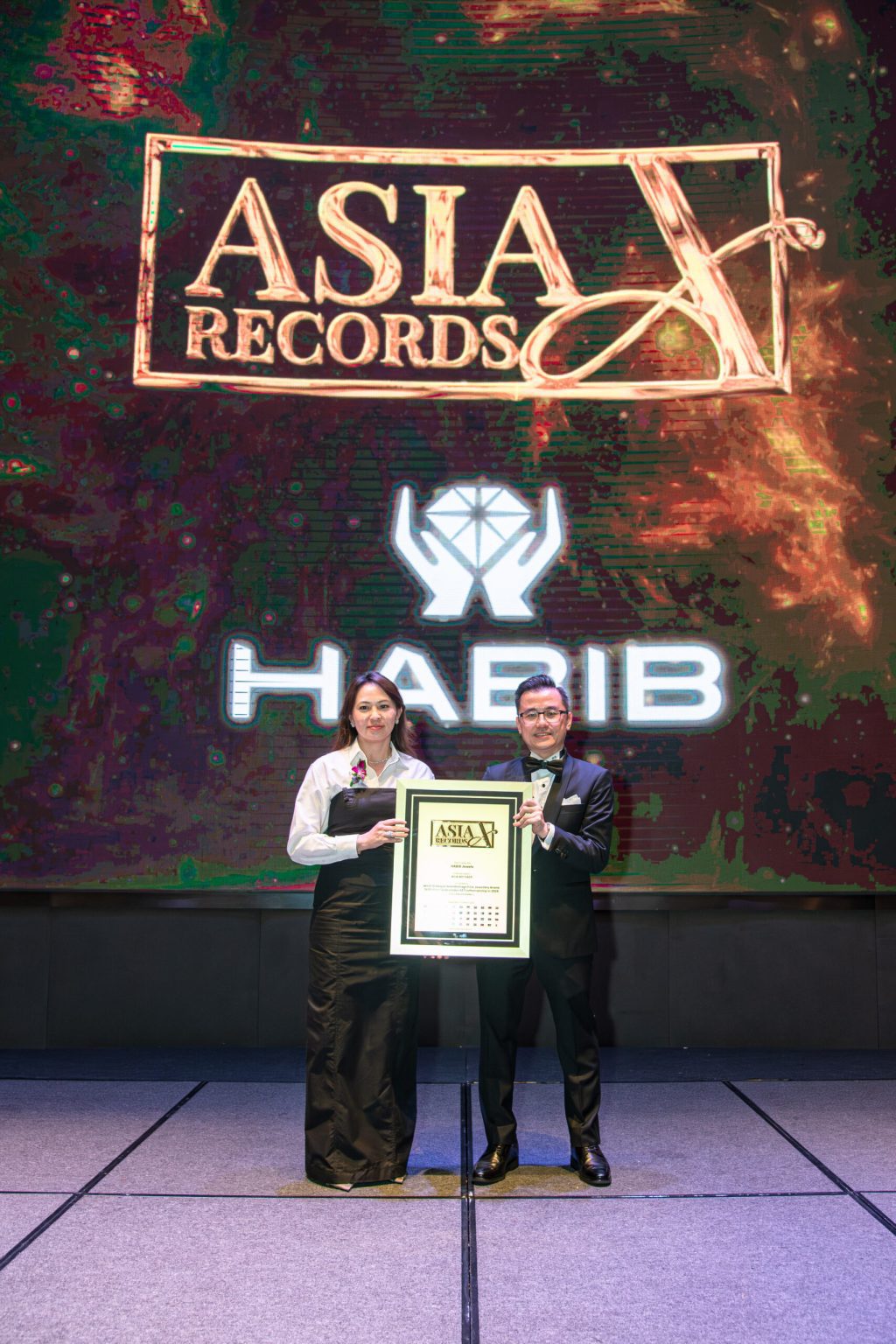
HABIB Jewels Recognised for Over Six Decades of Fine Jewellery Craftsmanship
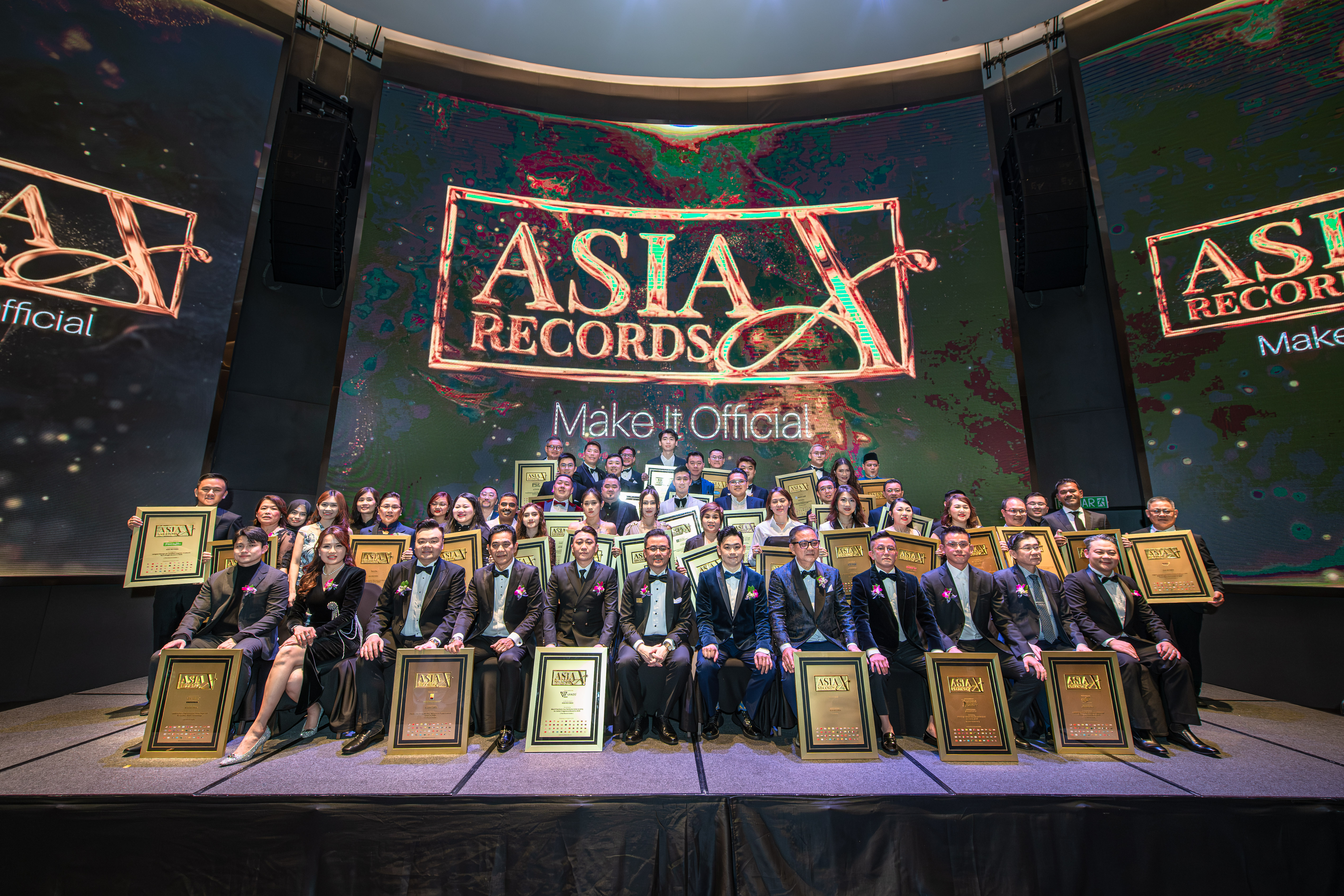
KUALA LUMPUR, Malaysia – HABIB Jewels has been officially recognised by Asia Record as the “Most Distinguished Heritage Fine Jewellery Brand with Over Six Decades of Craftsmanship in 2025,” celebrating a Malaysian jewellery legacy that began in 1958 and has continued across generations.
Represented by Jolynn Koh, Head of Marketing at HABIB Jewels, the recognition reflects more than six decades of craftsmanship, design, customer relationships and the evolution of a homegrown jewellery business into one of Malaysia’s most established names in fine jewellery.
From its beginnings in a small Penang jewellery store to a nationwide retail presence, HABIB’s story demonstrates how heritage can remain relevant when tradition is continually renewed for the next generation.
Customers can discover its jewellery collections and heritage through the official HABIB Jewels website.
A Malaysian Jewellery Story That Began in 1958
The HABIB story began in 1958, when the late Datuk Haji Habib Mohamed Latif established his jewellery business along Penang’s famous Pitt Street, now known as Jalan Masjid Kapitan Keling.
At the time, gold dominated much of the local jewellery trade. HABIB differentiated itself by placing greater emphasis on diamonds, developing expertise in fine jewellery and precious stones while building relationships with generations of customers.
From that modest beginning, the business gradually expanded. Its first Kuala Lumpur showroom opened in 1986, and HABIB today has 31 showrooms across Malaysia.
The journey is significant because surviving for more than six decades requires more than simply maintaining the same business model. Consumer preferences change, fashion changes, retail changes and generations of customers develop different expectations.
Heritage brands need to preserve what made them trusted while remaining relevant to people who may be discovering the name for the first time.
HABIB Jewels Recognised by Asia Record
HABIB’s longstanding presence and contribution to Malaysia’s fine jewellery industry resulted in its official recognition by Asia Record as the “Most Distinguished Heritage Fine Jewellery Brand with Over Six Decades of Craftsmanship in 2025.”
The recognition celebrates the longevity of the brand while highlighting the craftsmanship and customer relationships that have sustained it across generations.
It also reflects the collective contribution of the craftsmen, designers, employees and customers who have become part of the HABIB story over more than 60 years.
Representing HABIB Jewels for the recognition is Jolynn Koh, Head of Marketing.
Commenting on the achievement, Koh said:
“We are honoured to be recognised by Asia Record as the most distinguished heritage fine jewellery brand. This achievement reflects our commitment to craftsmanship, quality, and timeless beauty. We will continue to uphold our legacy and inspire elegance for generations to come.”
Jewellery Is Connected to Life’s Most Important Moments
Jewellery occupies an unusual position in the consumer world because people rarely purchase it purely for function.
A ring may represent an engagement. A necklace may commemorate an anniversary. Gold may be presented during a wedding or festive celebration. A piece inherited from a parent or grandparent may carry memories that cannot be measured by its material value alone.
This emotional dimension has been central to HABIB’s philosophy.
The company describes jewellery through the idea of “The Gift of Happiness,” connecting its products to proposals, weddings, anniversaries, family celebrations and gifts passed from one generation to another.
That relationship between jewellery and memory helps explain why heritage is particularly valuable within this industry.
When customers purchase fine jewellery, they are not only evaluating the product. Trust in the jeweller also matters.
Craftsmanship in an Age of Mass Production
Modern manufacturing has made it possible to produce consumer products at enormous scale, but fine jewellery continues to depend heavily on craftsmanship.
The selection of materials, setting of stones, finishing of metal, proportions of a design and attention to small details can determine how a piece ultimately looks and feels.
HABIB describes its approach as combining traditional craftsmanship with contemporary standards and design.
Its current collections span gold, diamonds and gemstones, with products ranging from rings, bracelets and bangles to necklaces, earrings, pendants and other fine jewellery.
The variety may change over time, but the underlying challenge remains consistent: creating pieces that customers consider valuable enough to keep for years, and sometimes generations.
From Diamonds to a Wider Jewellery World
HABIB’s early decision to focus on diamonds was distinctive in a Malaysian market historically dominated by gold.
Over time, however, its offering expanded significantly.
Today, the brand works across multiple jewellery categories, including 916/22K gold, 999/24K gold, diamonds and coloured gemstones, alongside contemporary collections designed for different customer segments.
This evolution reflects the changing nature of the Malaysian jewellery consumer.
Some customers purchase jewellery for weddings and celebrations. Others see jewellery as part of everyday fashion. Some buy gold for its enduring material value, while others are attracted to diamonds or coloured gemstones for their beauty and individuality.
A long-standing jewellery brand therefore needs to understand many different motivations.
The Beauty of Natural Gemstones
Gemstones are another area where craftsmanship and individuality intersect.
Diamonds may be the most internationally recognised precious stone, but sapphires, tanzanites, aquamarines, spinels and other gemstones allow designers to experiment with colour and character.
HABIB’s GemFest 2025 collection, for example, highlighted gemstones including tanzanite, aquamarine and pink spinel alongside diamonds, while incorporating contemporary ideas such as layered styling, stackable rings and slim bangles.
The company has said that its jewellery-making process involves sourcing stones internationally and exposing its designers to global inspiration before translating those ideas into finished pieces.
This balance between international influences and local identity has become increasingly important as Malaysian consumers become more globally connected.
Heritage Does Not Mean Standing Still
One of the greatest challenges facing any heritage brand is avoiding the perception that heritage means being old-fashioned.
Longevity alone does not guarantee relevance.
A company can have decades of history and still lose touch with younger consumers.
The strongest heritage brands therefore treat their history as a foundation rather than a limitation.
For HABIB, this means continuing to develop new designs, collections, collaborations and retail experiences while retaining the trust associated with the brand.
Its jewellery catalogue today includes traditional gold pieces alongside contemporary designs, diamonds, gemstones and collaborations that appeal to different generations.
The objective is not to abandon tradition. It is to give each generation its own reason to connect with the brand.
Jewellery as a Family Legacy
Few consumer products move between generations as naturally as jewellery.
Clothing wears out. Technology becomes obsolete. Furniture changes with taste.
A carefully maintained piece of jewellery can remain within a family for decades.
A ring originally purchased for a wedding may eventually be passed to a daughter. A gold bracelet received during an important celebration may later become a family keepsake.
This gives jewellery brands an unusual opportunity to build relationships that extend beyond individual transactions.
For a company with more than six decades of history, some of today’s customers may come from families that have known the HABIB name for generations.
That continuity can become one of the strongest assets of a heritage brand.
From Penang to a Nationwide Presence
HABIB’s expansion from its original Penang roots into Kuala Lumpur and subsequently across Malaysia reflects another important chapter in the company’s development.
The brand currently lists 31 showrooms across Malaysia, creating a physical presence where customers can see, touch and try jewellery before making a decision.
Physical retail remains particularly important for fine jewellery.
High-quality photography and e-commerce can make discovery easier, but many customers still want to experience an important piece personally.
They may want to see how a diamond reacts to light, compare the colour of gold, understand the scale of a ring or discuss options with someone knowledgeable.
This is why HABIB continues to emphasise the role of the Personal Jewel Consultant rather than treating jewellery retail purely as a transaction.
The Jewellery Store Is Becoming an Experience
The role of physical retail is also changing.
Customers increasingly expect showrooms to feel comfortable, personalised and informative rather than intimidating or purely sales-driven.
HABIB has been introducing updated showroom concepts designed around a more relaxed customer experience, with spaces where customers can explore jewellery, ask questions and receive guidance.
This reflects a broader transformation taking place across luxury retail.
The store is no longer simply where inventory is displayed.
It is where the customer experiences the brand.
For jewellery in particular, the atmosphere surrounding a purchase can become part of the memory attached to the piece itself.
Building Trust Across Generations
Trust is especially important in jewellery because most consumers are not gemologists.
They rely on specialists to explain differences in stones, materials, craftsmanship and value.
HABIB’s current Group Executive Chairman, Dato’ Sri Meer Sadik Habib, is himself a qualified gemologist from the Gemological Institute of America and has frequently emphasised trust, customer relationships and product knowledge as central principles of the family business.
This expertise reinforces an important distinction between jewellery retail and ordinary fashion retail.
The customer is not simply choosing what looks attractive.
For significant purchases, they may also want to understand what they are buying and why one piece differs from another.
Education therefore becomes part of service.
A Heritage Brand Can Still Speak to Younger Consumers
One of HABIB’s opportunities lies in reaching younger generations without weakening the prestige associated with its heritage.
Younger consumers may purchase jewellery differently from their parents.
Some prefer minimalist designs. Others are interested in jewellery as self-expression rather than something reserved for weddings or major occasions. Digital platforms also expose them to international fashion trends almost instantly.
HABIB’s evolving collections demonstrate how a heritage jeweller can respond to these changes.
Contemporary pieces can exist alongside traditional gold jewellery. Collaborations can introduce the brand to new audiences. Online shopping can complement physical showrooms.
Heritage and modernity do not have to compete.
When managed carefully, each can strengthen the other.
A Malaysian Brand Built to Last
HABIB’s history is also part of a broader Malaysian business story.
Many homegrown companies begin with a founder, a small operation and a strong understanding of their customers.
The difficult part is transforming that entrepreneurial beginning into an institution capable of surviving beyond the founder.
HABIB has moved through that transition.
The business founded by Datuk Haji Habib Mohamed Latif is today led by the next generation under Dato’ Sri Meer Sadik Habib, while the brand continues to expand its designs, retail presence and customer experience.
That transition matters because a true heritage brand cannot depend entirely on one individual.
Its values have to become part of the organisation.
More Than Six Decades, and Still Evolving
Being recognised by Asia Record as the “Most Distinguished Heritage Fine Jewellery Brand with Over Six Decades of Craftsmanship in 2025” gives HABIB another milestone in a story that began in Penang in 1958.
But heritage is not created simply by reaching a certain age.
It is created when customers continue to find meaning in a brand across generations.
For HABIB, the next chapter will involve preserving the craftsmanship and trust that shaped its past while responding to changing tastes, technologies and expectations.
New collections will emerge. Retail will continue evolving. Younger consumers will discover jewellery in different ways.
Yet the emotional reasons people buy jewellery are unlikely to disappear.
People will still fall in love.
They will still get married.
They will still celebrate anniversaries, achievements and important family moments.
And they will still look for something meaningful to remember those moments by.
That may ultimately be the greatest strength of a heritage jewellery brand: styles change, but the moments worth celebrating remain timeless.
Customers can explore HABIB’s fine jewellery collections through the official HABIB Jewels website.
For more information about this recognition and other remarkable achievements across Asia, visit AsiaRecord.com.
Digital Business
Companies with strong digital platforms can scale faster and reach new customers more efficiently.
Sustainable Growth
Responsible business practices help brands build credibility with investors and consumers.