
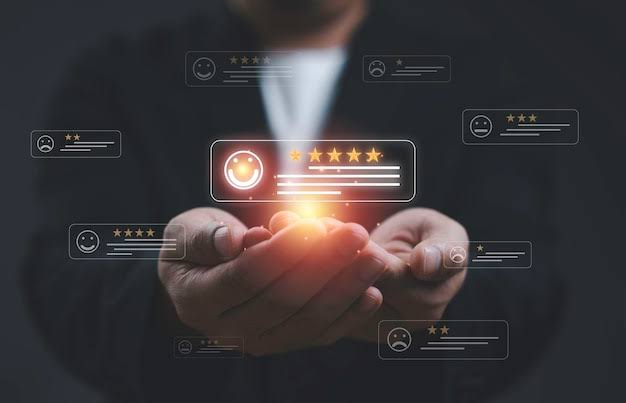
Why Reputation Is Becoming the World’s Most Valuable Business Asset
Every successful business owns assets that appear on its balance sheet—buildings, equipment, inventory, intellectual property, and financial investments. Yet one of the most valuable assets a company possesses often cannot be measured in financial statements: its reputation.
In today’s connected world, reputation influences almost every aspect of business performance. Customers research companies before making purchases. Investors evaluate corporate credibility before committing capital. Employees seek organisations with strong cultures, while business partners prefer working with companies they trust.
A positive reputation is no longer simply an advantage—it has become a strategic necessity.
Reputation Is Built Long Before It Is Tested
Many organisations only think about reputation during times of crisis. In reality, reputation is built through thousands of everyday interactions over many years.
Every customer service experience, product delivered, social media response, employee interaction, and business decision contributes to how a company is perceived.
Businesses that consistently demonstrate integrity, professionalism, and reliability earn confidence that cannot easily be replicated by competitors.
Trust Creates Business Opportunities
Companies with strong reputations often enjoy benefits that extend far beyond increased sales.
They are more likely to attract talented employees, secure strategic partnerships, retain loyal customers, and gain favourable media attention. Investors also tend to view reputable businesses as lower-risk organisations capable of delivering sustainable long-term performance.
Trust reduces uncertainty, making customers and stakeholders more willing to engage with a business.
Reputation Cannot Be Purchased
Advertising can increase awareness, but it cannot manufacture genuine credibility.
Authentic reputation is earned through consistent actions that align with a company’s values and promises.
Businesses that focus solely on short-term profits while neglecting customer experience or ethical standards may achieve temporary success, but long-term trust is far more difficult to rebuild once lost.
The Digital Era Has Changed Everything
The internet has significantly accelerated the way reputations are formed.
Online reviews, social media discussions, customer testimonials, and digital news coverage now influence public perception almost instantly.
Businesses must therefore monitor their online presence carefully while maintaining open, honest, and transparent communication with customers.
Ignoring digital reputation is no longer an option.
Reputation Is a Competitive Advantage
When consumers compare similar products or services, reputation often becomes the deciding factor.
People naturally gravitate towards businesses they recognise and trust. A strong reputation reduces perceived risk and provides reassurance that customers will receive quality products and professional service.
This advantage allows reputable companies to compete on value rather than price alone.
Looking Ahead
Markets will continue to evolve, technologies will change, and consumer expectations will shift. However, trust and reputation will remain fundamental drivers of business success.
Businesses that consistently deliver value, communicate transparently, and place customers at the centre of their operations will continue to build reputations that endure across generations.
In the modern economy, reputation is no longer simply part of a business—it is one of its most valuable assets.
Digital Business
Companies with strong digital platforms can scale faster and reach new customers more efficiently.
Sustainable Growth
Responsible business practices help brands build credibility with investors and consumers.