
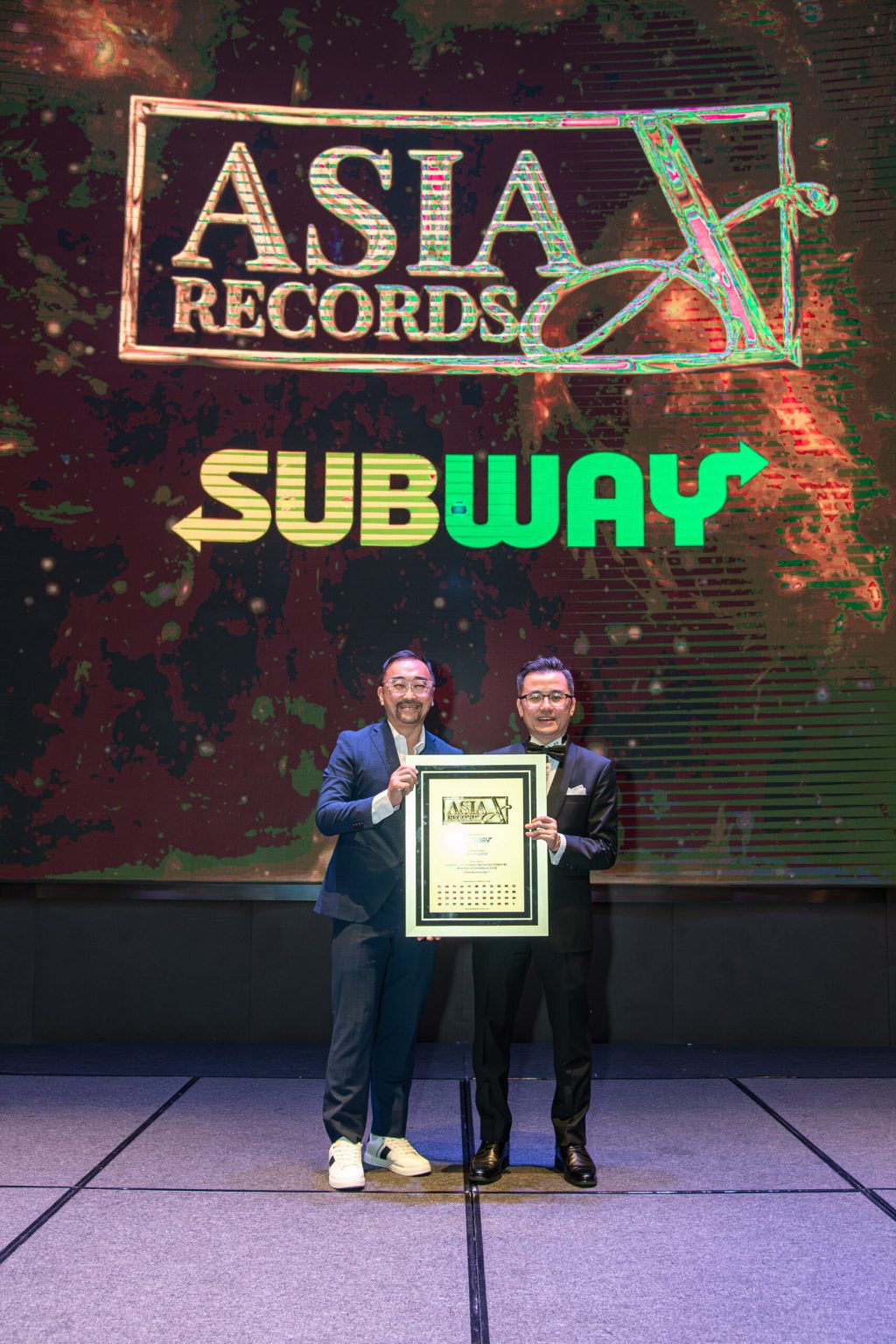
Subway Recognised by Asia Record as Largest Fast-Casual Sandwich Chain by Number of Outlets in 2025

KUALA LUMPUR, Malaysia – Global sandwich brand Subway has been officially recognised by Asia Record as the “Largest Fast-Casual Sandwich Chain by Number of Outlets in 2025,” highlighting the scale of a restaurant network that has grown to nearly 37,000 locations worldwide.
Known for its made-to-order sandwiches and highly customisable dining concept, Subway has built one of the most recognisable brands in the global restaurant industry.
From choosing bread and protein to vegetables, cheese and sauces, the Subway model puts customer choice at the centre of the dining experience — a concept that has helped the brand establish a presence across markets around the world.
Consumers can explore Subway’s menu and restaurant information through the official Subway website.
From a Sandwich Shop to a Global Restaurant Brand
Subway’s story began in 1965 and has since developed into an international restaurant network serving millions of customers around the world.
By 2025, Subway described itself as operating nearly 37,000 restaurants globally, supported by thousands of franchisees.
That scale is particularly significant in a restaurant industry where expansion requires more than simply opening new locations.
International restaurant brands must be able to maintain a recognisable customer experience while adapting to different markets, consumer preferences and operating environments.
Subway’s franchise model has allowed the brand to establish a broad international footprint while working with local operators who understand their individual markets.
Customisation Became Part of the Subway Brand
One of Subway’s most recognisable characteristics is its made-to-order format.
Rather than offering customers only predetermined sandwich combinations, the brand allows diners to personalise their meals through different breads, proteins, vegetables, cheeses and sauces.
That customisation became an important part of Subway’s identity.
Customers are not simply ordering a sandwich. They participate in creating it.
The concept also gives the brand flexibility to serve consumers with different tastes and preferences while maintaining a consistent ordering experience across its restaurant network.
Subway Malaysia’s current menu includes sandwiches, wraps, salads, breakfast options, cookies and snacks, alongside its familiar customisation process.
Subway Recognised by Asia Record
The scale of Subway’s restaurant network resulted in the company being officially recognised by Asia Record as the “Largest Fast-Casual Sandwich Chain by Number of Outlets in 2025.”
The recognition represents a significant milestone for a brand that has spent decades expanding the sandwich category across international markets.
Behind that outlet network is also a substantial franchise ecosystem.
Subway restaurants around the world are independently owned and operated by franchisees, making local entrepreneurs an important part of the brand’s global presence.
The achievement therefore reflects the collective contribution of franchisees, employees, suppliers, business partners and customers who have supported Subway’s development.
Commenting on the recognition, Tan Chia Hong, General Manager of Subway Malaysia, said:
“We are honoured to be recognised by Asia Record as the largest fast-casual sandwich chain by number of outlets. This achievement reflects our dedication to providing fresh and delicious food to our customers. We will continue to expand and innovate to meet the evolving needs of our customers.”
Subway’s Continued Expansion in Malaysia
Malaysia represents an important market within Subway’s Southeast Asian expansion strategy.
Subway entered into a master franchise agreement with Pegacorn Sdn Bhd to significantly expand its footprint across Peninsular Malaysia.
Under the agreement announced in 2022, approximately 500 new Subway locations were planned across Peninsular Malaysia over a ten-year period, with the objective of tripling the brand’s restaurant presence in the market.
The expansion strategy also extends beyond conventional restaurant locations.
Subway identified opportunities for restaurants in environments including airports, hospitals, petrol stations and convenience stores, reflecting a broader strategy of bringing the brand closer to where consumers live, work and travel.
For Malaysian consumers, the expansion means greater accessibility to the brand across a wider variety of locations.
Consumers can explore local menu offerings through the official Subway Malaysia website.
Why Convenience Remains Important in Fast-Casual Dining
Modern restaurant consumers increasingly expect a combination of speed, convenience, choice and accessibility.
This has helped shape the development of fast-casual and quick-service dining concepts around the world.
For Subway, convenience extends beyond the speed of ordering.
The ability to customise a meal, access restaurants across different locations and choose from several menu formats gives customers greater control over their dining experience.
As consumer habits continue to evolve, restaurant brands also need to adapt how customers interact with them.
Delivery, takeaway, digital ordering and alternative restaurant formats are increasingly becoming part of the broader dining ecosystem.
The Franchise Model Behind Subway’s Scale
Subway’s global footprint also demonstrates the role franchising can play in building an international consumer brand.
A franchise system allows local business owners to operate restaurants under an established brand while following common operational and brand standards.
For the parent brand, this model can provide a pathway to enter and expand across multiple markets.
For local franchisees, it provides access to an established concept, brand identity and operating system.
Successfully managing this relationship at scale requires consistency.
Customers visiting a Subway restaurant in different cities or countries should still recognise the fundamental elements that define the brand.
That ability to combine global brand recognition with local restaurant operations has been an important part of Subway’s international development.
Building a Brand Around Customer Choice
There is also a broader branding lesson behind Subway’s growth.
Successful restaurant brands often become associated with one simple idea.
For Subway, that idea is choice.
The ability to personalise a sandwich has become so closely connected with the brand that the ordering process itself forms part of the Subway experience.
This demonstrates how a distinctive operating model can become a branding asset.
Rather than relying solely on advertising to communicate what makes a brand different, the customer experiences that difference every time they place an order.
Continuing the Subway Journey
Being recognised as the “Largest Fast-Casual Sandwich Chain by Number of Outlets in 2025” provides another milestone in Subway’s international journey.
Maintaining a restaurant network of this scale requires the brand to continue evolving alongside changing consumer expectations while preserving the characteristics that made it recognisable in the first place.
For Subway, that means balancing expansion with menu development, accessibility, convenience and the customisable experience associated with the brand.
Its continued expansion in Malaysia demonstrates how this global strategy is also being implemented at a local level.
As Subway enters its next chapter, its Asia Record recognition highlights what decades of franchising, customer familiarity and international expansion can create: a local sandwich concept transformed into a global restaurant brand.
To explore Subway’s menu and locations, visit the official Subway website or Subway Malaysia.
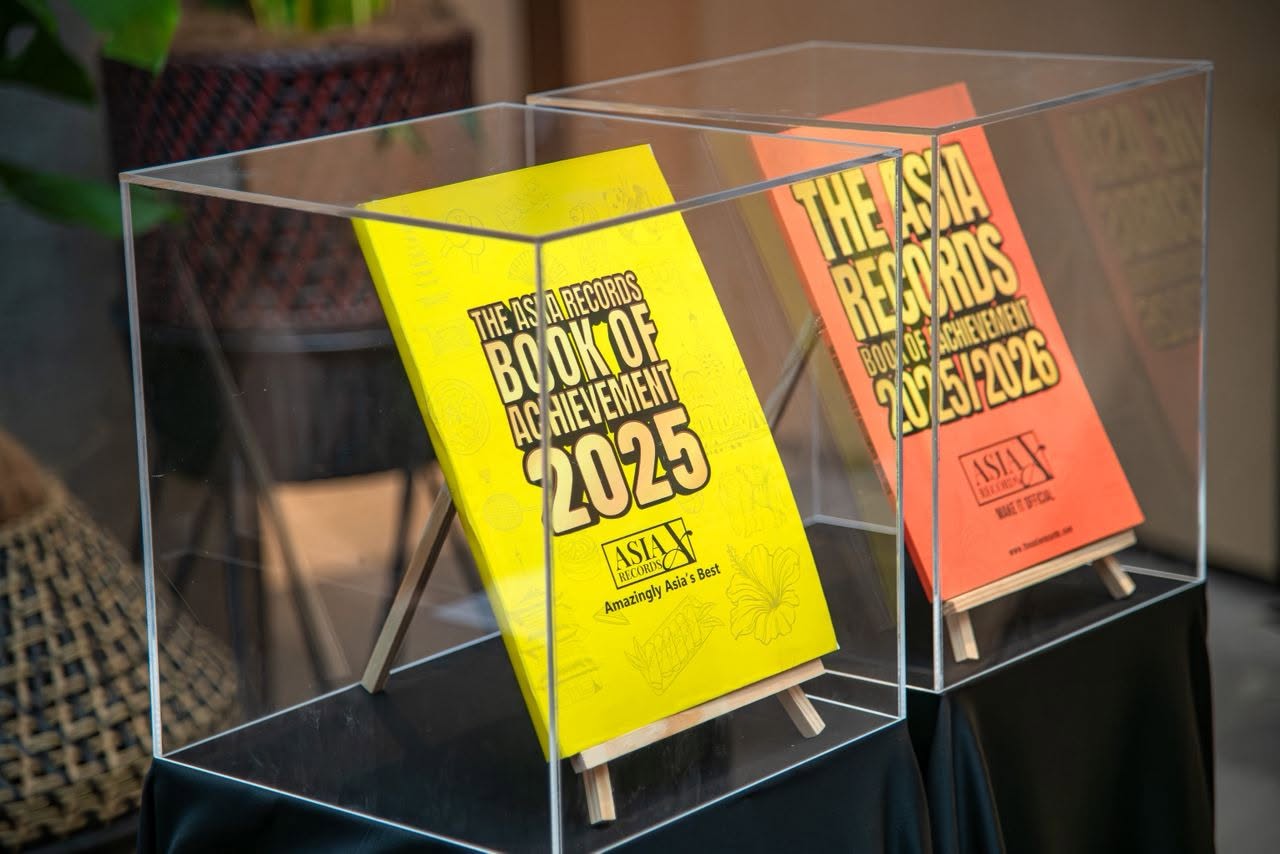
For more information about recognised brands and achievements across the region, visit AsiaRecord.com.
Digital Business
Companies with strong digital platforms can scale faster and reach new customers more efficiently.
Sustainable Growth
Responsible business practices help brands build credibility with investors and consumers.