
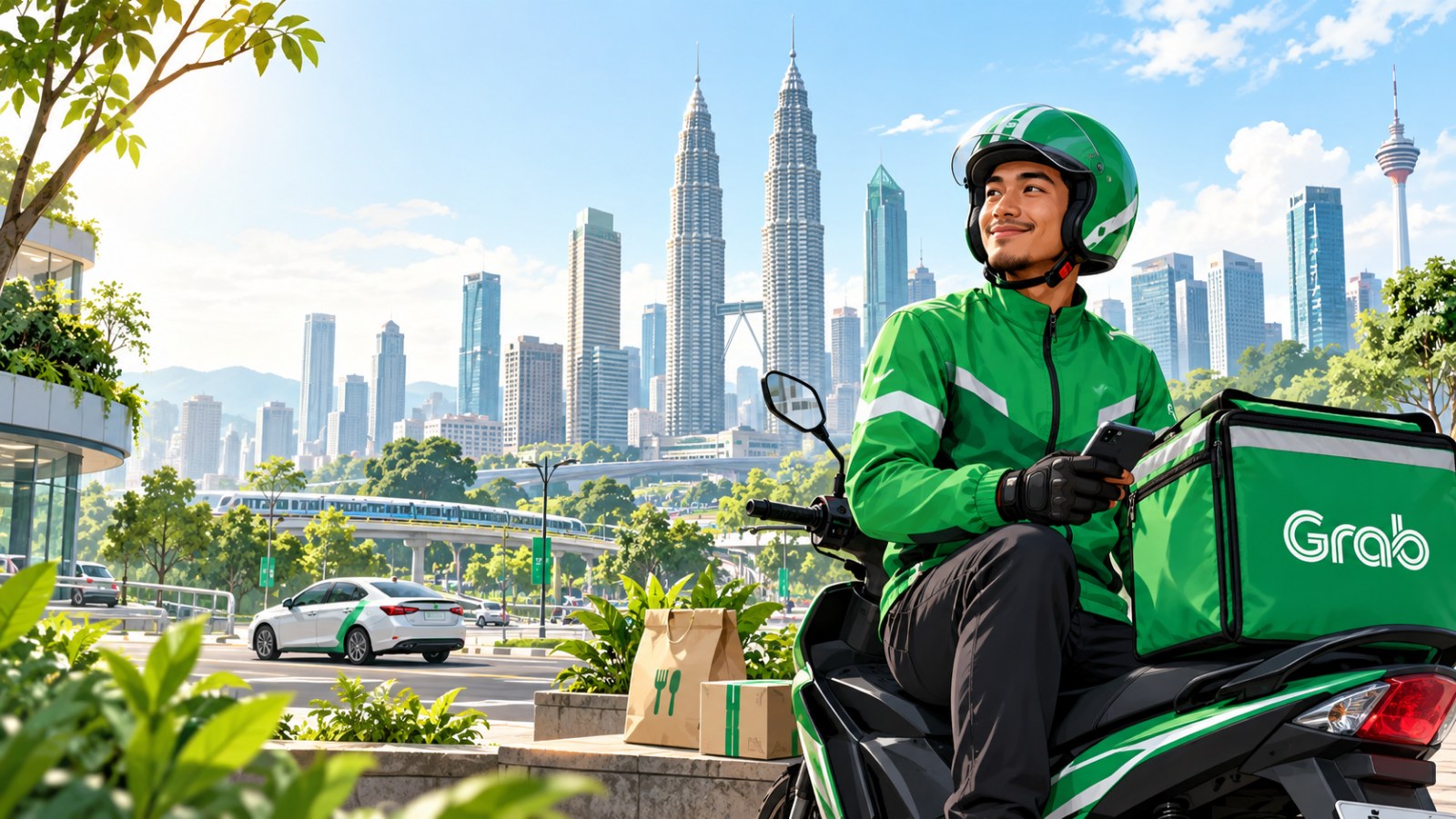
Grab: How a Malaysian Startup Became a Southeast Asian Superapp
Grab’s journey from a Malaysian taxi-booking startup to a Southeast Asian superapp shows how a brand can grow by solving everyday problems. Through ride-hailing, food delivery, grocery delivery and digital financial services, Grab has expanded its role in how consumers travel, shop and access services.
Founded in 2012, the company now operates across eight Southeast Asian countries. Its development offers insights into technology, customer convenience and building a brand around recurring consumer needs.
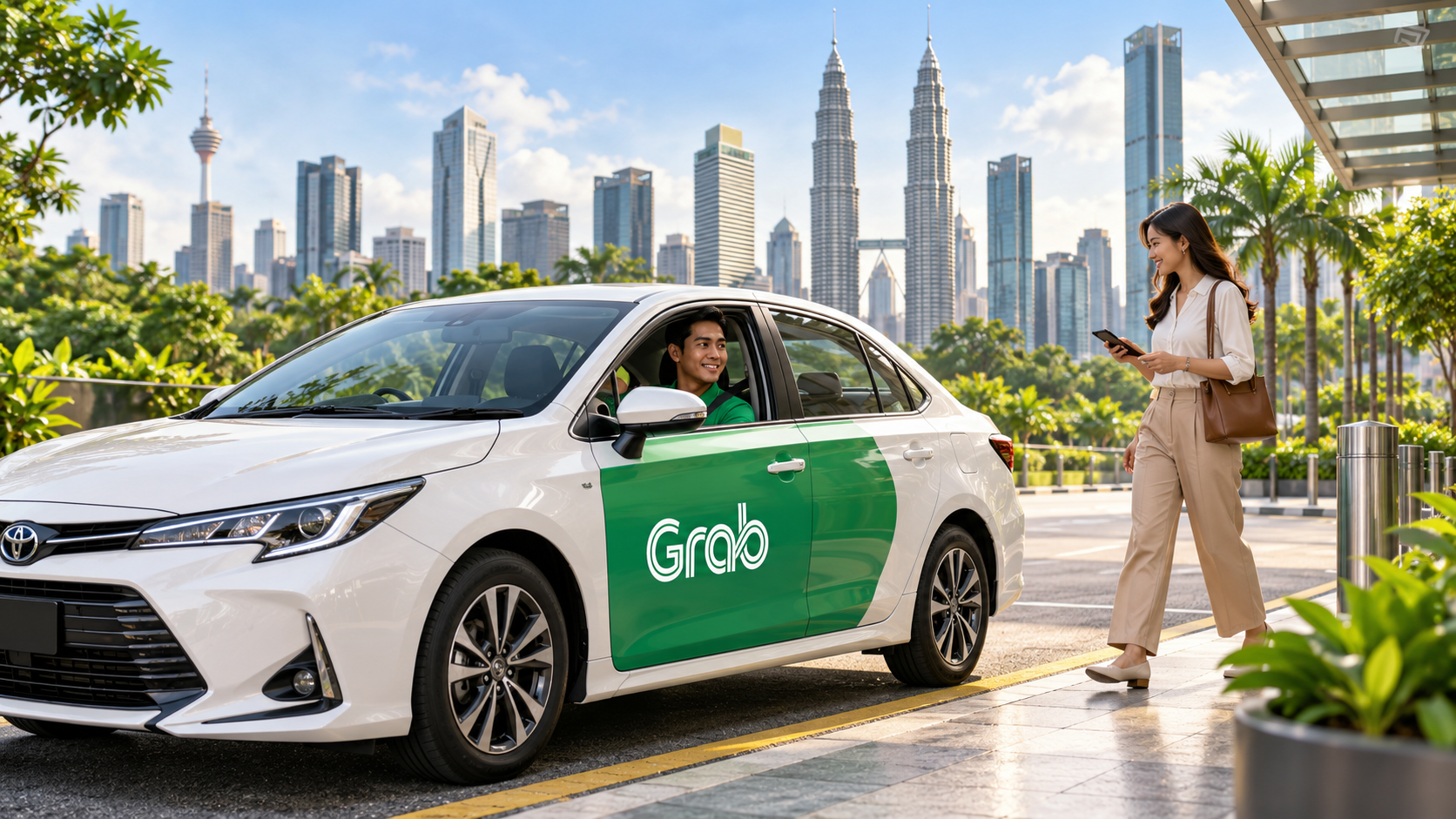
Grab’s Origins: Starting with MyTeksi in Malaysia
Grab began as MyTeksi, a mobile application launched in Malaysia by co-founders Anthony Tan and Tan Hooi Ling. Their initial aim was to make taxi journeys safer through a digital booking platform.
The business started with a clearly defined problem. Connecting passengers with taxi drivers through a mobile application provided the foundation for a service that could become part of customers’ regular travel routines.
As the company expanded into neighbouring countries, its services also developed. From its early taxi-booking roots, Grab moved into a broader range of transport and delivery services, laying the groundwork for its superapp model.
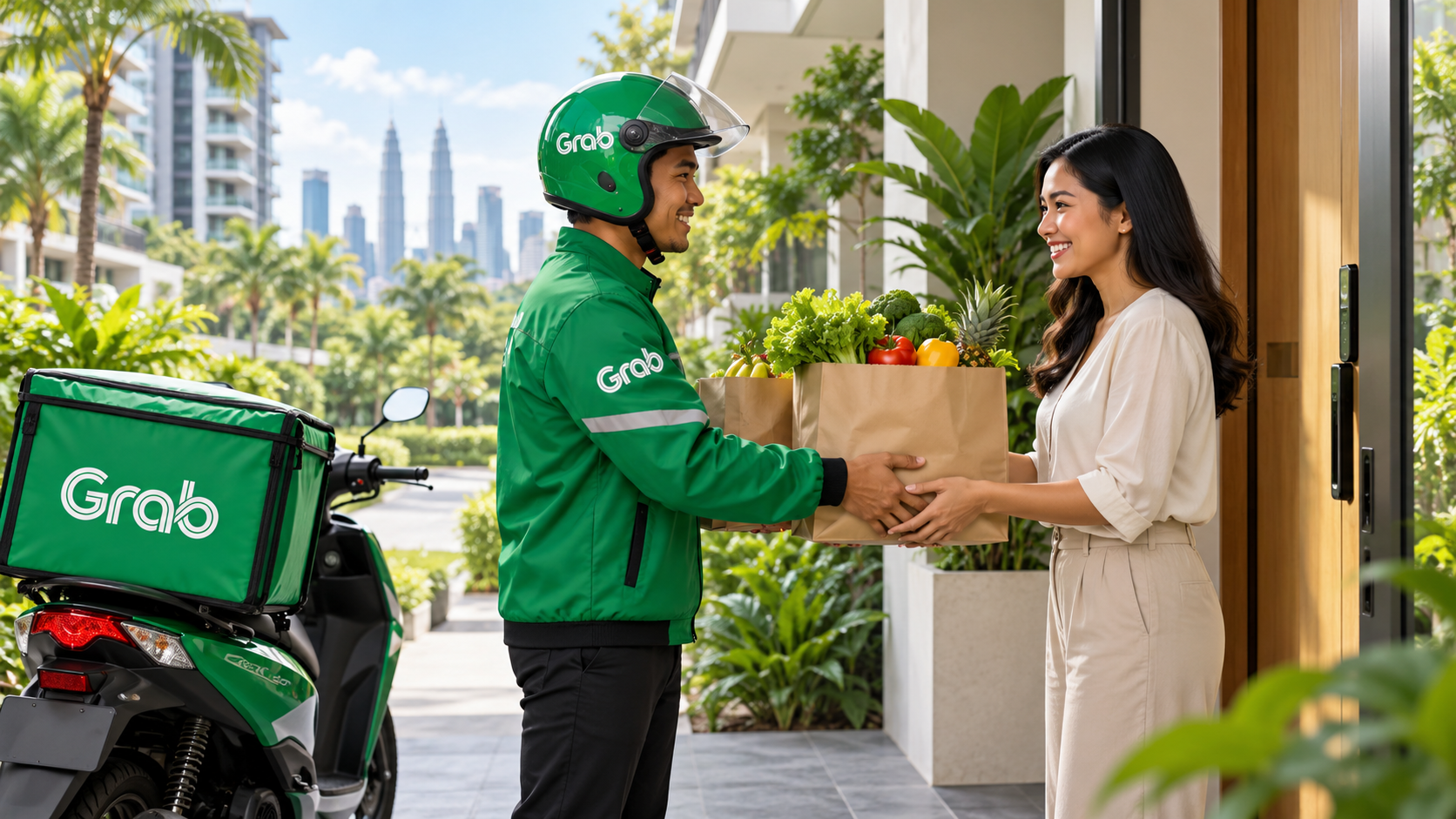
What Does the Grab Superapp Offer?
Grab brings several everyday services together within one application. Its business spans three principal areas: mobility, deliveries and digital financial services.
Depending on the market, consumers can use the platform to book rides, order meals and groceries, arrange parcel deliveries, make payments or access financial services. This combination allows Grab to serve customers across different daily activities.
The convenience of a superapp comes from reducing the effort involved in accessing those services. A customer who first uses Grab for transport may later return to order food or arrange a delivery.
For the brand, these different uses create repeated opportunities to demonstrate value. Each interaction contributes to how customers perceive the platform.
Grab’s Presence in Southeast Asia
Grab operates in Cambodia, Indonesia, Malaysia, Myanmar, the Philippines, Singapore, Thailand and Vietnam. This regional presence connects its Malaysian origins with a wider Southeast Asian business footprint.
Operating across the region requires attention to different consumer habits, transport systems and market conditions. A recognisable brand identity helps customers identify the platform, while local relevance determines how useful its services are in practice.
Grab’s development highlights a key consideration for businesses pursuing regional growth: expansion requires both a clear overall proposition and an understanding of the communities being served.

Connecting Consumers, Drivers and Merchants
Grab’s platform connects consumers with drivers, merchants and businesses. These participants are essential to its service model, linking digital transactions with journeys, meals and deliveries in the physical world.
This relationship makes service quality a shared responsibility. Customers interact with the application, but their experience also depends on the driver, delivery partner or merchant completing the service.
For a platform business, brand building therefore extends beyond advertising. Clear information, effective support and consistent service influence whether customers choose to return.
What Businesses Can Learn from Grab’s Brand Journey
Grab’s story illustrates the value of starting with a specific customer need. Its original taxi-booking proposition gave consumers a clear reason to try the service.
Its subsequent expansion demonstrates how related services can broaden a brand’s relevance. Mobility, deliveries and payments address different needs, yet each fits within the wider purpose of helping people manage everyday activities.
The journey also shows why familiarity must be supported by experience. Frequent visibility can make a brand recognisable, but customer confidence depends on what happens when people actually use it.
Grab’s Role in the Digital Economy
Grab’s stated mission is to drive Southeast Asia forward by creating economic empowerment for everyone. That mission places the opportunities available to drivers, merchants and other participants alongside the convenience offered to consumers.
From its beginnings as MyTeksi in Malaysia, Grab has developed into a regional platform connecting multiple services within one application. Its brand story centres on practical relevance: identifying everyday needs and building services around them.
For entrepreneurs and brand owners, Grab provides a useful case study in how a focused idea can develop into a broader business while retaining a connection to the daily lives of its customers.
For more information about Grab and services available in your location, visit www.grab.com.
Digital Business
Companies with strong digital platforms can scale faster and reach new customers more efficiently.
Sustainable Growth
Responsible business practices help brands build credibility with investors and consumers.