
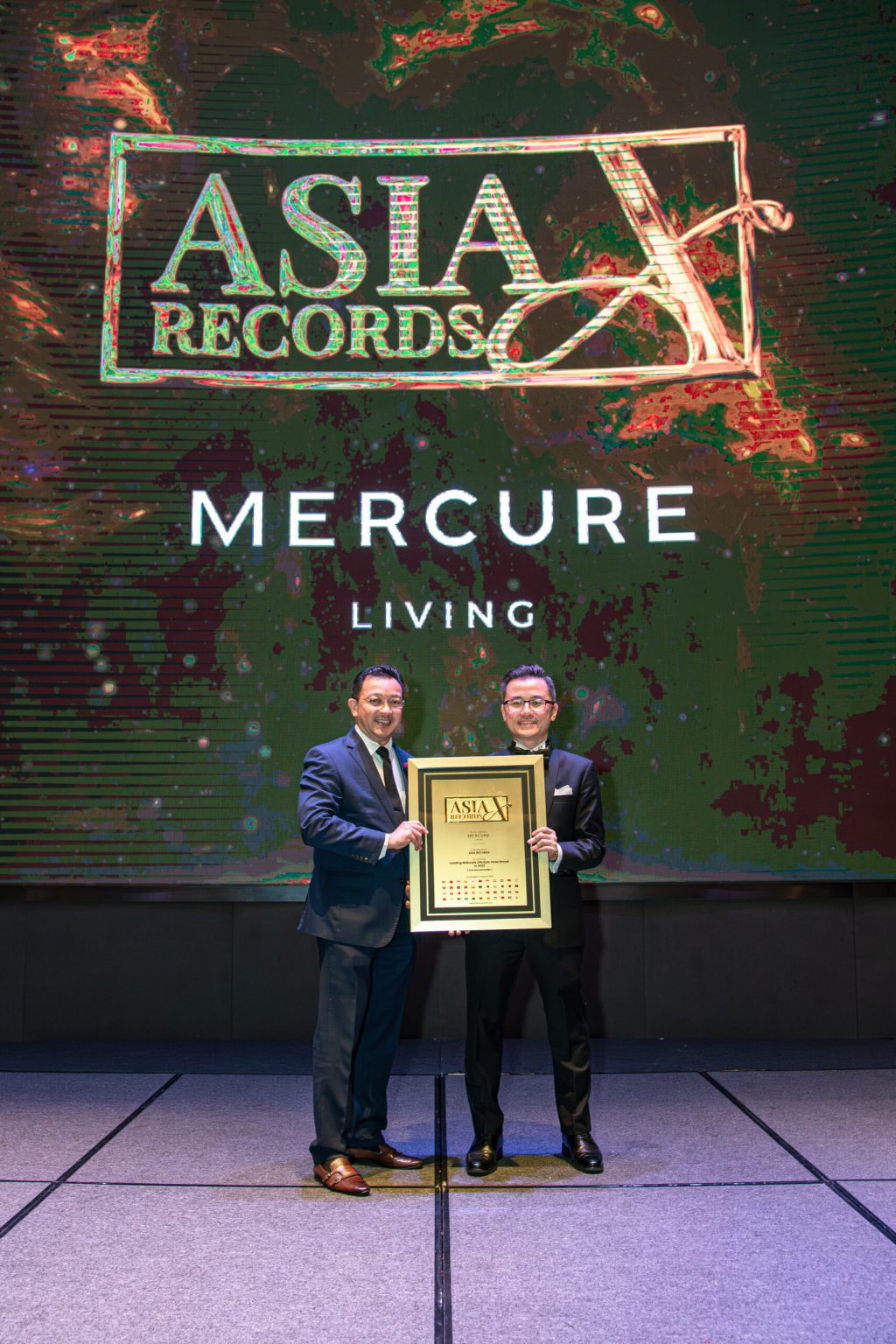
Mercure Living Putrajaya Recognised as Leading Midscale Lifestyle Hotel in 2025
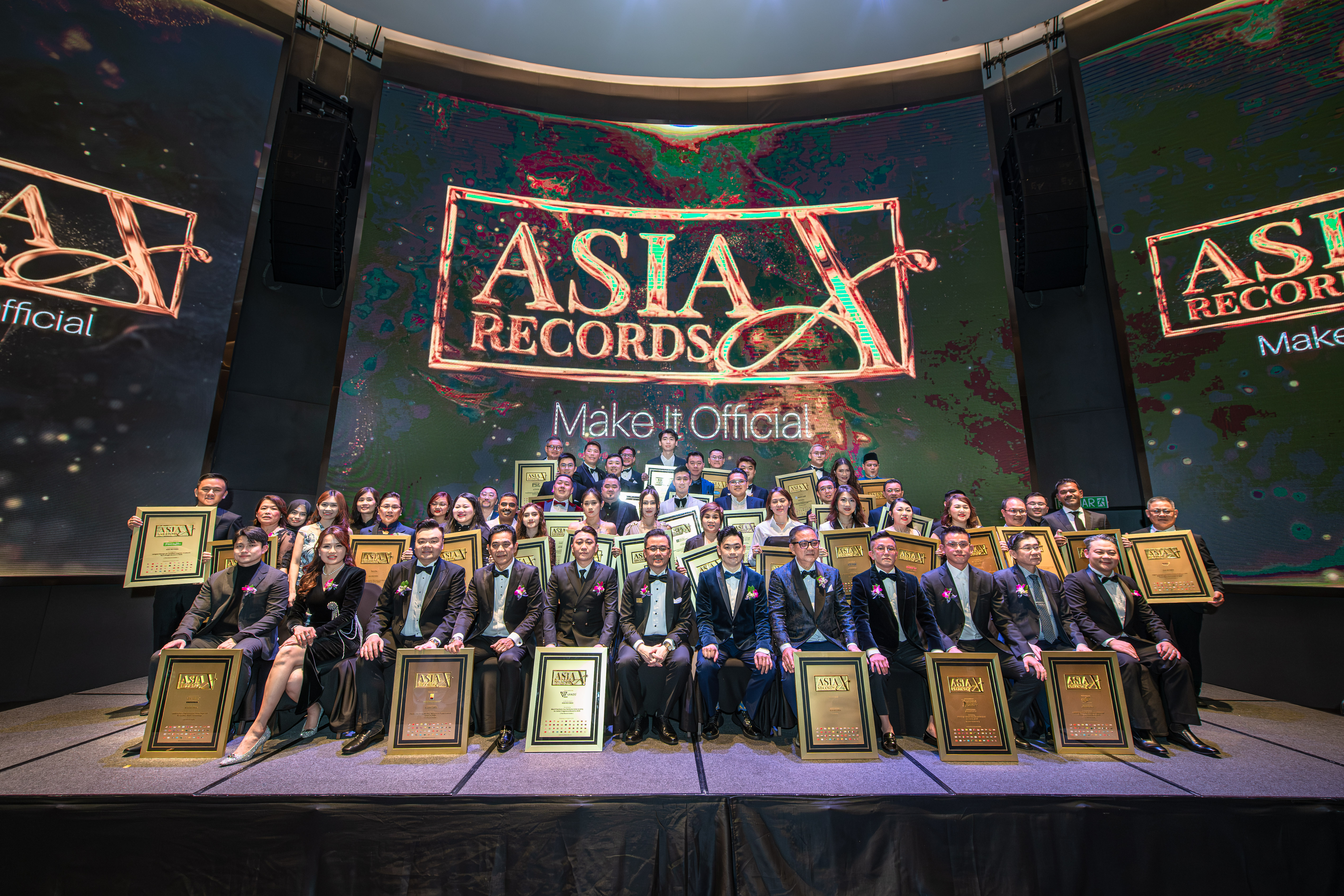
KUALA LUMPUR, Malaysia – Mercure Living Putrajaya has been officially recognised by Asia Record as the “Leading Midscale Lifestyle Hotel Brand in 2025,” marking an important milestone for a hospitality concept designed around the changing needs of modern travellers.
Led by General Manager Wan Enderi Mohd Saad, Mercure Living Putrajaya combines the familiarity of a hotel with the additional space and facilities of serviced apartment living. With 299 fully serviced apartments, the property caters to travellers looking for greater flexibility whether they are staying for a weekend, a business trip or an extended period.
Located within the Shaftsbury retail complex and connected to Alamanda Shopping Mall, the property brings accommodation, lifestyle convenience and access to Putrajaya together within one destination.
Travellers can explore its accommodation and facilities through the official Mercure Living Putrajaya website.
Hospitality Is Becoming More Flexible
The traditional hotel model was built primarily around relatively short stays. Guests checked in, slept in a room, had breakfast and continued their journey.
Modern travel is more varied.
Business travellers may remain in a city for weeks. Families may prefer more space than a conventional hotel room provides. Remote and hybrid work have also changed the way some people combine business and leisure.
These changing habits have contributed to growing demand for accommodation that sits somewhere between a hotel and a residence.
Mercure Living Putrajaya responds to this trend through fully serviced apartments equipped for a more independent style of stay.
Its one- and two-bedroom apartments include open-plan kitchens, full-size refrigerators, microwaves and cooking utensils, allowing guests to prepare meals and use the accommodation more like a temporary home.
Recognised by Asia Record
Mercure Living Putrajaya’s development within this changing hospitality landscape resulted in its recognition by Asia Record as the “Leading Midscale Lifestyle Hotel Brand in 2025.”
The recognition highlights the property’s approach to combining accommodation, lifestyle facilities and extended-stay convenience within the Mercure hospitality environment.
It also reflects the collective contribution of the hotel’s employees, guests and wider business network in developing the property’s presence within Putrajaya’s hospitality sector.
Commenting on the recognition, Wan Enderi Mohd Saad, General Manager of Mercure Living Putrajaya, said:
“We are honoured to be recognised by Asia Record as the leading midscale lifestyle hotel brand. This achievement reflects our passion for hospitality excellence and our commitment to delivering exceptional experiences to our guests. We will continue to innovate and elevate our services to meet the evolving needs of travellers.”
Malaysia’s First Mercure Living Concept
One of the most distinctive characteristics of the property is the “Living” concept itself.
Accor identifies Mercure Living Putrajaya as the first Living concept in Malaysia.
Rather than relying entirely on conventional hotel rooms, the property features 299 serviced apartments designed to provide greater space and flexibility.
This changes how a guest can use the accommodation.
A kitchen means a family does not need to eat every meal outside. A separate living area creates more space for longer stays. Larger apartment configurations can also make travelling together more practical.
These features may appear simple, but they become increasingly valuable the longer someone stays.
The difference between spending two nights and two weeks in a destination can significantly change what a traveller expects from accommodation.
Why Putrajaya Makes Sense for Extended Stays
Location plays an important role in any hospitality concept.
As Malaysia’s federal administrative capital, Putrajaya attracts government-related travel, corporate visitors, conferences, families and tourists interested in the city’s distinctive architecture and planned urban environment.
Mercure Living Putrajaya is located within the Shaftsbury retail complex and connected to Alamanda Shopping Mall, giving guests convenient access to shopping, dining and other everyday services.
Accor places the property approximately 32 kilometres from Kuala Lumpur International Airport and around 10.7 kilometres from Putrajaya’s ERL station.
For guests staying for longer periods, access to everyday conveniences can become just as important as access to tourist attractions.
A supermarket, restaurant or shopping centre nearby can make a significant difference to the experience of living temporarily in another city.
More Than a Place to Sleep
Hotels increasingly compete on what guests can do during their stay, not simply on the quality of the bed.
Mercure Living Putrajaya reflects this through a range of facilities designed around leisure, work and longer-term living.
The property includes a 52-metre outdoor saltwater swimming pool, gym, tennis court, children’s playground and spa.
For business requirements, it also provides co-working facilities and six meeting rooms.
This combination is particularly relevant to the modern traveller.
A guest may have a virtual meeting in the morning, work from a co-working space during the afternoon and use the gym or swimming pool afterwards.
The boundaries between business and leisure are becoming less rigid, and hospitality businesses are adapting accordingly.
The Rise of “Bleisure” Travel
One of the most significant trends affecting hospitality is the blending of business and leisure travel, often described as bleisure.
A business traveller attending meetings may extend a trip through the weekend. Someone travelling for a conference may bring family members. Remote work can also allow professionals to remain at a destination longer than their official business schedule requires.
This changes what travellers value.
A desk and Wi-Fi may be sufficient for a one-night business trip, but longer stays create demand for kitchens, laundry convenience, recreation and additional living space.
Serviced apartment concepts are particularly well positioned for this type of traveller because they combine hotel services with some of the practical advantages of residential living.
Midscale Does Not Have to Mean Basic
The term “midscale” can sometimes be misunderstood as simply describing something between budget and luxury.
Modern midscale hospitality is more nuanced.
Many travellers are willing to pay for comfort, good design and useful facilities but do not necessarily need the formality or price point associated with a luxury hotel.
They want value without sacrificing experience.
This creates an important position for brands such as Mercure.
A successful midscale property needs to understand which features genuinely improve the guest experience and which luxuries customers are less interested in paying for.
For an extended-stay property, a well-equipped kitchen may create more value than an elaborate lobby. A large apartment may matter more than formal room service.
The definition of value depends on how the guest intends to use the hotel.
Local Character Matters in Modern Hospitality
Mercure is part of Accor, one of the world’s major hospitality groups, but the Mercure concept has long emphasised connections to local destinations.
This is increasingly important in an era when travellers can stay with the same international hotel groups across many countries.
Consistency creates confidence, but too much uniformity can make destinations feel interchangeable.
Modern travellers often want both.
They appreciate reliable standards while still wanting to feel that they are actually in Putrajaya, Kuala Lumpur, Bangkok, Paris or another distinctive destination.
This balance between international hospitality standards and local identity has become an important part of lifestyle-oriented hospitality.
Hospitality Is About the Entire Stay
A hotel’s reputation can be influenced by hundreds of small interactions.
How easy was the reservation?
Was check-in efficient?
Was the apartment clean?
Did the Wi-Fi work?
Was the bed comfortable?
Could the guest get assistance when needed?
Was the breakfast enjoyable?
Did employees make the guest feel welcome?
Individually, these details may appear small. Collectively, they become the guest experience.
This is why hospitality remains a highly human business even as technology becomes more important.
Guests may make reservations through an app and check information digitally, but people still remember how they were treated.
Leadership Behind the Guest Experience
General Manager Wan Enderi Mohd Saad brings more than two decades of hospitality experience to Mercure Living Putrajaya.
His career has included leadership and operational roles across hospitality businesses in Malaysia and Thailand, including previous experience within Accor.
Before leading Mercure Living Putrajaya, he served as General Manager of Mövenpick Hotel & Convention Centre KLIA.
This operational background matters because managing a hotel involves considerably more than overseeing accommodation.
A general manager needs to coordinate rooms, housekeeping, food and beverage, maintenance, sales, marketing, finance, human resources, guest services and numerous other functions.
The guest may see only the final experience, but delivering it consistently requires an entire organisation working behind the scenes.
Longer Stays Create Different Expectations
Extended-stay guests can also be more demanding in unexpected ways.
A traveller staying for one night may never notice certain details.
Someone staying for several weeks probably will.
Storage becomes important.
Kitchen functionality matters.
Laundry matters.
Noise matters.
Workspace matters.
Internet reliability becomes essential.
The guest begins interacting with the property less like a visitor and more like a temporary resident.
This means extended-stay hospitality requires a different understanding of comfort.
The objective is not simply to impress guests when they arrive. It is to remain comfortable after the novelty of arrival has disappeared.
Family Travel Is Changing Too
Families represent another important market for serviced apartment-style accommodation.
Travelling with children can make conventional hotel rooms challenging, particularly when families need more space or are staying for several days.
Apartment layouts provide additional flexibility.
Parents can prepare simple meals. Children have more room. Separate bedrooms can make sleeping arrangements easier.
Mercure Living Putrajaya’s facilities, including its children’s playground and large swimming pool, further support this family-oriented use of the property.
For hospitality businesses, understanding family needs can create opportunities beyond the traditional holiday market.
Families may travel for weddings, medical appointments, school activities, relocations, government matters or simply short domestic breaks.
Sustainability Is Becoming Part of Hospitality
Environmental considerations are also becoming increasingly important within the hotel industry.
Travellers, corporations and event organisers are paying greater attention to how accommodation providers approach energy, water, waste and other environmental issues.
Mercure Living Putrajaya has continued developing this aspect of its operations and has achieved Green Key certification, an international sustainability certification used within the tourism and hospitality sector.
For hotels, sustainability increasingly needs to move beyond marketing language and become part of daily operations.
Large hospitality properties consume significant amounts of electricity, water, food and other resources. Small improvements repeated across hundreds of rooms and thousands of guest stays can therefore have a meaningful cumulative impact.
Technology Will Continue Reshaping the Hotel Experience
Technology has already transformed how people discover and book hotels.
The next stage will increasingly influence what happens after the reservation.
Digital check-in, mobile communication, personalised offers, smart-room technology and artificial intelligence can all make hospitality more responsive.
But technology works best when it removes friction rather than replacing hospitality.
A guest does not necessarily want more technology.
They want things to be easier.
If an app makes check-in faster, it creates value. If digital communication allows a request to be resolved quickly, it creates value.
The objective should always remain the guest experience rather than the technology itself.
Putrajaya as More Than an Administrative City
Mercure Living Putrajaya also benefits from the continuing development of Putrajaya as a destination in its own right.
The city is widely associated with Malaysia’s federal administration, but it also offers distinctive architecture, landscaped public spaces, lakes, mosques, bridges and recreational areas.
This creates opportunities to attract both business and leisure visitors.
Domestic tourism is particularly important.
A traveller does not always need to fly to another country to justify a hotel stay. Weekend breaks, family activities and short escapes can create demand much closer to home.
Hotels that understand their surrounding destination can help turn accommodation into part of the overall travel experience.
The Future Is Somewhere Between Hotel and Home
The hospitality industry has spent decades dividing accommodation into relatively clear categories.
Hotels were hotels.
Apartments were apartments.
Homes were homes.
Those boundaries are becoming less rigid.
Serviced residences, branded residences, co-living spaces and extended-stay hotels increasingly combine elements from different categories.
Mercure Living Putrajaya sits within this evolution.
It provides the structure and services associated with an international hotel brand while giving guests some of the space and independence associated with residential living.
For modern travellers, that flexibility may become increasingly attractive.
Continuing the Mercure Living Putrajaya Journey
Recognition by Asia Record as the “Leading Midscale Lifestyle Hotel Brand in 2025” represents an important milestone for Mercure Living Putrajaya as it continues developing its position within Malaysia’s hospitality landscape.
The property reflects several of the changes reshaping modern travel: longer stays, flexible working, family travel, lifestyle hospitality and increasing demand for accommodation that feels less temporary.
For Mercure Living Putrajaya, the opportunity is to continue combining these practical needs with something that has always been fundamental to hospitality: making people feel welcome.
Technology will change.
Travel habits will change.
Guest expectations will continue evolving.
But the fundamental promise of hospitality remains surprisingly consistent.
Wherever the journey takes you, a good hotel should make it easier to feel at home.
Travellers can explore Mercure Living Putrajaya’s serviced apartments, facilities and accommodation options through the official Mercure Living Putrajaya website.
For more information about this recognition and other remarkable achievements across Asia, visit AsiaRecord.com.
OFFICIAL ASIA RECORD https://asiarecord.com/
ABOUT OFFICIAL ASIA RECORD HISTORY https://asiarecord.com/about/
OFFICIAL ASIA RECORD Nomination Process: https://asiarecord.com/application/
GET OFFICIAL ASIA RECORD https://asiarecord.com/faq/
FIND OFFICIAL ASIA RECORD https://asiarecord.com/contact-page/
Digital Business
Companies with strong digital platforms can scale faster and reach new customers more efficiently.
Sustainable Growth
Responsible business practices help brands build credibility with investors and consumers.