

Starbucks Recognised by Asia Record as Coffeehouse with the Most Community Engagement Programs in 2025

KUALA LUMPUR, Malaysia – A coffeehouse can sell coffee. It can also become a place where people meet, conversations begin and communities connect.
That wider role in society has increasingly become part of the Starbucks story in Malaysia.
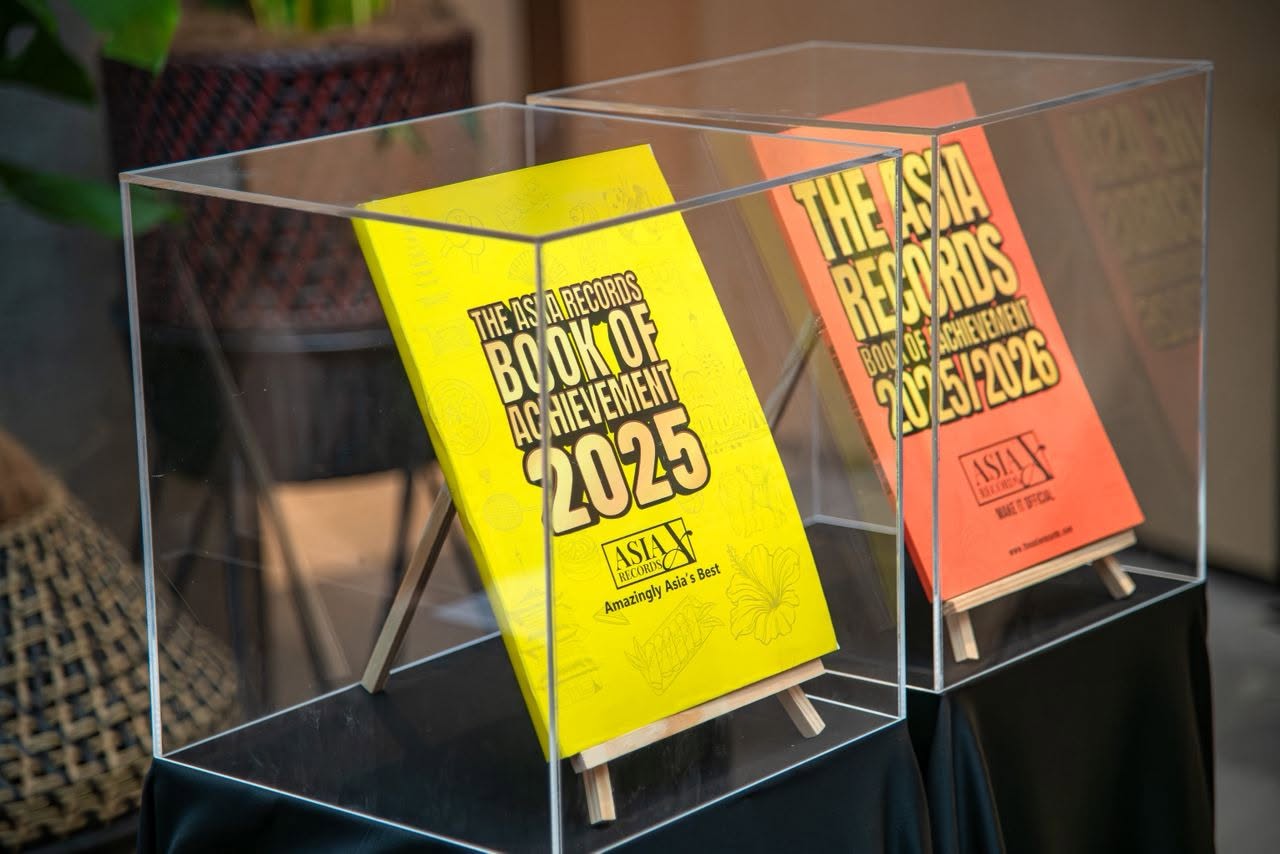
Starbucks has been officially recognised by Asia Record as the “Coffeehouse with the Most Community Engagement Programs in 2025,” highlighting the breadth of initiatives undertaken by the brand to engage communities through inclusion, arts and culture, education, social impact and environmental responsibility.
Represented by Louise Chin, Chief Financial Officer of Berjaya Food Berhad, the recognition reflects an approach to community engagement that extends beyond occasional charitable activities. Over the years, Starbucks Malaysia has developed programmes that connect its stores, employees, customers and community organisations in different ways.
Visitors can learn more about the brand through the official Starbucks Malaysia website.
More Than a Place to Buy Coffee
The modern coffeehouse occupies an unusual position.
It is a commercial space, but people often use it in ways that go beyond purchasing food and beverages. Customers meet friends, work on laptops, hold informal discussions, study, celebrate occasions or simply spend time away from home and the office.
That gives coffeehouse brands an opportunity to become part of the communities surrounding their stores.
Starbucks has long positioned human connection as part of its wider mission. Its Malaysian website states that its stores are intended to create a sense of belonging while describing every store as part of a community with a responsibility to contribute positively to its neighbourhood.
In Malaysia, that philosophy has developed into initiatives spanning disability inclusion, community development, local arts, environmental projects and support for social organisations.
Recognised by Asia Record
The scale of these initiatives resulted in Starbucks receiving official recognition from Asia Record as the “Coffeehouse with the Most Community Engagement Programs in 2025.”
The recognition highlights the role community engagement has played alongside Starbucks Malaysia’s core coffeehouse business.
It also reflects contributions from employees, customers, community organisations and other stakeholders who participate in or support these programmes.
Commenting on the recognition, Louise Chin, Chief Financial Officer of Berjaya Food Berhad, said:
“We are honoured to be recognised by Asia Record as the coffeehouse with the most community engagement programs. This achievement reflects our passion for giving back and creating meaningful connections with the communities we serve. We will continue to expand our initiatives and contribute positively to society.”
Louise’s connection to this area extends beyond finance. Berjaya Food’s 2025 Annual Report notes that she has been involved in the group’s Sustainability and Social Impact function alongside her responsibilities overseeing finance, accounts and quality assurance across its operating companies.
Art For Good Put Malaysian Creativity at the Centre
One of Starbucks Malaysia’s most visible recent community initiatives has been Starbucks Art For Good: The Bearista Art Project.
Launched as part of Starbucks Malaysia’s 25th anniversary celebrations, the programme invited Malaysian artists to reinterpret Starbucks’ Bearista character through 25 life-sized artworks inspired by different stories, cultures and communities.
The project involved more than 60 Malaysian artists and creative groups, including Deaf artists, autistic artists, emerging artists and art students.
Its grand finale was held at Pavilion Bukit Jalil in February 2025 and combined art, community participation and inclusion. The programme included a performance by DeafBeat Malaysia, a coffee-tasting session led by a Deaf Starbucks barista and sign-language interpretation.
Mini Bearista collectibles inspired by the artworks were also introduced, with part of the proceeds supporting participating artists.
The initiative demonstrates how a commercial brand can use one of its own familiar icons to create a platform for Malaysian creative talent.
Inclusion That Became Part of the Store Experience
Perhaps Starbucks Malaysia’s best-known community initiative is its Signing Store concept.
In 2016, Malaysia became home to the world’s first Starbucks Signing Store at Bangsar Village II in Kuala Lumpur, designed to provide employment and development opportunities for Deaf and hard-of-hearing employees.
The idea did not remain a one-store experiment.
By December 2024, Starbucks Malaysia had opened its fourth Signing Store, at Permas City in Johor, following locations in Kuala Lumpur, Penang and Sarawak. At the time, Starbucks Malaysia reported employing more than 20 Deaf employees across its operations, including Deaf Coffee Masters and employees who had progressed into supervisory roles.
The significance of the initiative goes beyond employment numbers.
A Signing Store makes inclusion visible within an everyday consumer environment. Hearing customers enter the same space, interact with Deaf employees and encounter communication in a different form.
That can help normalise workplace inclusion rather than separating it into a special programme taking place somewhere outside ordinary commercial life.
Building Career Pathways, Not Just Providing Jobs
Employment inclusion becomes more meaningful when people are given opportunities to develop.
Starbucks Malaysia works with organisations supporting the Deaf community on recruitment, training and development. Its own corporate materials describe cooperation with the Society of Interpreters for the Deaf to help train and coach Deaf employees and teach sign language to hearing colleagues.
The company has also highlighted the progression of Deaf employees through its coffee education and supervisory programmes.
That distinction matters.
Community impact is stronger when businesses create pathways rather than temporary opportunities.
Hiring someone is one step.
Helping that person acquire skills, receive training, develop confidence and move into leadership positions creates a more sustainable form of inclusion.
A Long-Term Relationship with the Deaf Community
Starbucks Malaysia’s involvement with the Deaf community also extends outside its stores.
Its collaboration with Silent Teddies and the Community Service Centre for the Deaf (CSCD) began in 2018. Starbucks subsequently began selling cookies produced through Silent Teddies in its stores, with a contribution from each cookie supporting education and training programmes for the Deaf community.
The relationship has continued to develop.
Starbucks Malaysia reported supporting the transformation of CSCD facilities into a more modern learning centre, café and event space intended to provide education, vocational training and entrepreneurial opportunities for Deaf youth and other persons with disabilities.
The company also contributed furniture and employee volunteer hours towards improving the centre.
This is an important example of what long-term community engagement can look like.
Rather than organising a single event and moving on, the relationship has developed across employment, training, social enterprise and infrastructure.
Community Programmes Can Be Connected to the Core Business
One challenge businesses face with corporate social responsibility is relevance.
A programme may create positive impact but feel completely separate from what the company actually does.
Starbucks has frequently tried to connect community initiatives with its core business.
Coffeehouses provide spaces for people to meet.
Stores become locations for inclusive employment.
Products can provide revenue streams for community organisations.
Coffee and merchandise can become fundraising tools.
Employees can volunteer through programmes linked to communities surrounding their stores.
This makes community engagement less isolated from everyday operations.
The business itself becomes part of the mechanism through which the engagement happens.
Supporting Communities Through Local Sourcing
Another example is Starbucks Malaysia’s Connecting Communities programme.
The initiative began in 2013 with local sourcing from a Malaysian village, including purchases of bananas that were subsequently incorporated into food products sold through Starbucks stores.
A later phase worked with Craft CT 01 Enterprise in Felda Chini Timur to develop products using locally produced mengkuang materials, with proceeds flowing back to the community.
The programme illustrates how a company’s supply chain can sometimes become a channel for community development.
Instead of treating social impact purely as donations, businesses can create commercial opportunities that allow communities to participate economically.
Community Grants Extend the Reach Further
Starbucks Malaysia has also used community grants to support organisations working directly with people in need.
Its official Community Grants programme identifies support for NGOs including HOPE worldwide Malaysia and REACH Cameron Highlands, covering community initiatives such as free paediatric and mobile healthcare services.
This type of programme works differently from direct corporate volunteering.
Local organisations already understand the communities they serve and the problems that need attention. Financial and organisational support from businesses can help those organisations expand their existing work rather than requiring the company to develop every initiative independently.
The result can be a broader network of community impact.
Sustainability Is Also Community Engagement
Environmental responsibility can sometimes feel separate from community programmes, but the two are increasingly connected.
The health of communities ultimately depends on the environment around them.
Starbucks Malaysia identifies recycling, energy efficiency, greener store design, water conservation and climate-related initiatives among its sustainability priorities.
For a coffee company, environmental sustainability also has a direct relationship with the product itself.
Coffee is an agricultural commodity. Changes in climate, water availability and farming conditions can affect the communities producing coffee as well as the businesses selling it.
Starbucks’ broader ethical coffee sourcing system, known as C.A.F.E. Practices, incorporates social, environmental and economic criteria relating to coffee farms and workers.
This demonstrates how community responsibility can extend from the neighbourhood surrounding a café all the way back to the agricultural communities within the supply chain.
Employees Make Community Programmes Possible
Corporate community programmes can easily be described at brand level, but many ultimately depend on employees.
Starbucks refers to its employees as “partners,” and its Malaysia support structure includes dedicated Sustainability and Social Impact functions dealing with community involvement, diversity and inclusion.
One Starbucks Malaysia employee profile specifically describes working with Deaf and hearing employees, NGOs and local communities to create career pathways for the Deaf community.
This matters because corporate social impact is difficult to sustain if it exists only within marketing.
For community engagement to become part of a company’s culture, employees need to participate in it.
That may mean volunteering, managing programmes, mentoring colleagues, working with NGOs or simply creating a welcoming environment inside individual stores.
Why Community Engagement Matters to Brands
Consumers increasingly evaluate companies by more than the products they sell.
They notice how companies treat employees.
They notice environmental practices.
They notice whether businesses contribute to the communities in which they operate.
This does not mean every community programme needs to become a marketing campaign.
In fact, the strongest programmes often work precisely because they address a genuine need rather than beginning with publicity.
But long-term community involvement can influence how a brand is perceived.
For Starbucks, the coffeehouse itself provides an important advantage.
It already operates in spaces built around people and interaction.
Community engagement therefore feels naturally connected to what a coffeehouse can represent: conversation, belonging and connection.
Social Impact Becomes Stronger When It Is Consistent
One charity event can generate attention.
Consistency creates credibility.
Starbucks Malaysia’s community history stretches across different initiatives and different years, including its Connecting Communities programme, Signing Stores, community grants, Silent Teddies collaboration, Art For Good and environmental efforts.
Not every initiative addresses the same issue.
That is part of the point.
Communities have different needs, and businesses interact with society in different ways.
The common element is continued participation.
For a large consumer brand, meaningful engagement is not necessarily about finding one programme and repeating it forever. It can involve building a portfolio of initiatives that address different communities while remaining aligned with the brand’s values and capabilities.
A Coffeehouse Can Become a Platform for Connection
The most interesting lesson from Starbucks’ community initiatives may be that physical retail still has social value.
Much of modern commerce is moving online.
Food can be delivered.
Shopping can happen through an app.
Work can happen remotely.
Entertainment can be streamed at home.
Yet people still seek places to meet.
Coffeehouses remain one of those places.
This gives brands operating physical spaces an opportunity to think differently about what their locations can contribute.
A store can be somewhere to make a purchase.
It can also become somewhere people encounter art, inclusion, employment opportunities and community activity.
That difference can give a brand deeper meaning beyond the product on the counter.
Continuing the Starbucks Malaysia Journey
Starbucks’ recognition by Asia Record as the “Coffeehouse with the Most Community Engagement Programs in 2025” reflects a side of the coffeehouse business that is not measured simply through cups sold or stores opened.
It highlights the relationships built around those stores.
From creating career opportunities for Deaf Malaysians and supporting community organisations to giving local artists a platform and integrating sustainability into operations, Starbucks Malaysia has demonstrated different ways a consumer brand can participate in the communities around it.
The challenge moving forward will be to keep those initiatives meaningful as expectations around corporate responsibility continue to rise.
For Starbucks, coffee will always remain at the centre of the business.
But the experience surrounding that cup can represent something larger.
A coffeehouse serves drinks. A community coffeehouse creates connections.
More information about Starbucks Malaysia and its community initiatives can be found through the official Starbucks Malaysia website.
For more information about this recognition and other remarkable achievements across Asia, visit AsiaRecord.com.
OFFICIAL ASIA RECORD https://asiarecord.com/
ABOUT OFFICIAL ASIA RECORD HISTORY https://asiarecord.com/about/
OFFICIAL ASIA RECORD Nomination Process: https://asiarecord.com/application/
GET OFFICIAL ASIA RECORD https://asiarecord.com/faq/
FIND OFFICIAL ASIA RECORD https://asiarecord.com/contact-page/
Digital Business
Companies with strong digital platforms can scale faster and reach new customers more efficiently.
Sustainable Growth
Responsible business practices help brands build credibility with investors and consumers.